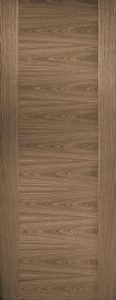
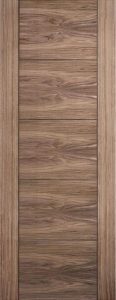
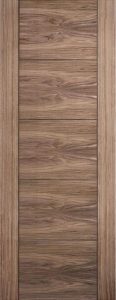
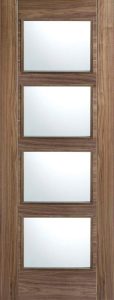
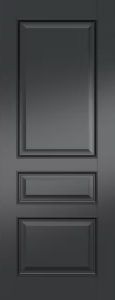
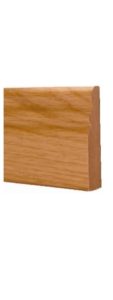
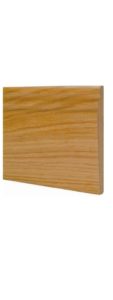
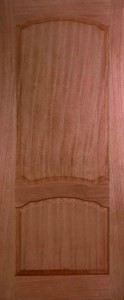
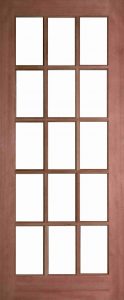
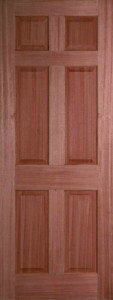
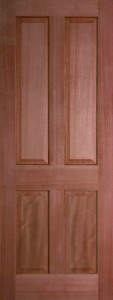
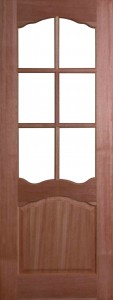
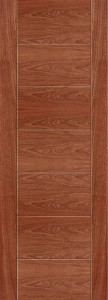
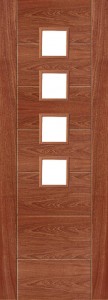
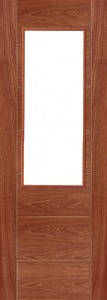
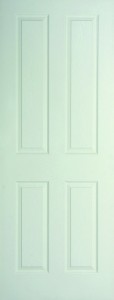
Buying new internal doors should be one of the more satisfying parts of a home improvement project. A simple change can freshen a room, improve flow through the house and add value without the upheaval of a full renovation. Yet internal doors are also an area where small mistakes can lead to frustration, extra costs and results that never quite feel right.
This problem solving guide looks at the most common mistakes people make when buying internal doors and how to avoid them. From sizing errors to finish mismatches and installation oversights, getting these details right from the start can save time, money and a fair bit of head scratching.
Getting the Size Wrong
One of the most common and costly mistakes when buying internal doors is assuming that all door openings are standard. While many homes do use common sizes, older properties and even newer builds can vary more than expected.
Measuring only the existing door leaf rather than the full opening is a frequent error. Internal doors are typically sized to fit specific frames, and factors such as hinge gaps and floor clearance all matter. A door that is just a few millimetres too large can mean trimming that damages the finish or weakens the structure. A door that is too small can leave unsightly gaps and poor sound insulation.
Before buying, measure the height, width and thickness of the existing door, then double check the frame opening. If you are replacing multiple doors, measure each one individually rather than assuming they are all identical.
If you are unsure, visiting a showroom like Finewood Doors allows you to discuss measurements in person and explore suitable options across a wide range of internal doors designed to suit different properties.
Overlooking Door Thickness
Door thickness is often forgotten until installation day. Many internal doors come in standard thicknesses, but older homes may have frames that are deeper or shallower than modern equivalents.
Choosing a door that does not match the existing frame thickness can result in doors that sit proud or recessed, both of which affect appearance and performance. This is particularly noticeable with painted finishes and flush doors where clean lines are part of the appeal.
Checking thickness early ensures that the door sits neatly within the frame and that hinges and handles align properly.
Finish Mismatches Across the Home
Another common mistake is choosing door finishes in isolation. A door that looks great on its own can feel out of place once installed if it clashes with flooring, skirting boards or other doors in the home.
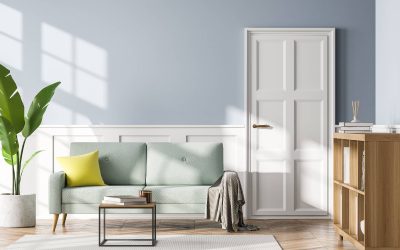
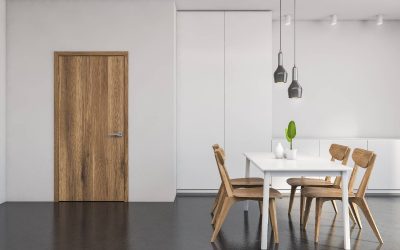
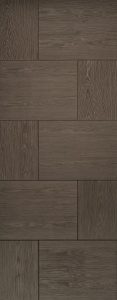
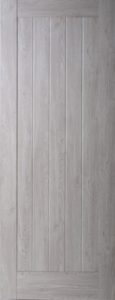
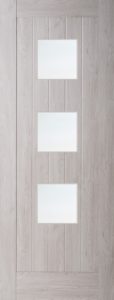
Mixing different shades of white is a frequent issue. A warm white door next to cool white walls or trims can look mismatched under natural light. The same applies to wood tones where oak, silver oak and grey finishes all sit differently depending on lighting and surrounding materials.
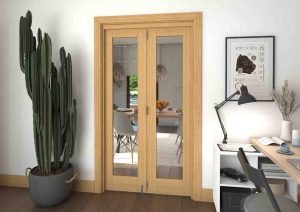
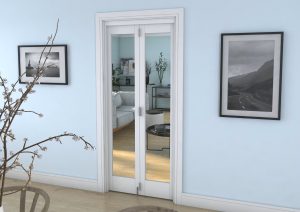
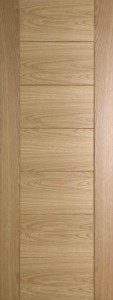
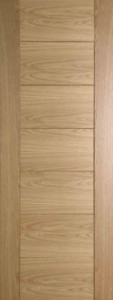
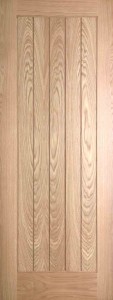
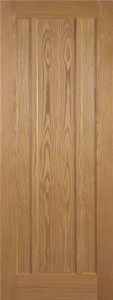
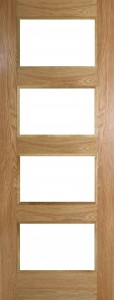
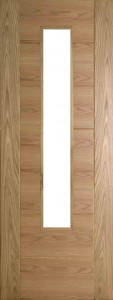
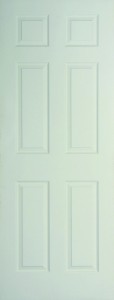
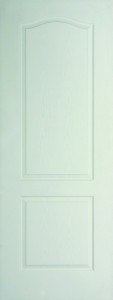
To avoid this, consider the overall palette of your home before choosing. If you are updating several doors, consistency usually creates a calmer and more cohesive feel. Ranges such as white internal doors or oak internal doors make it easier to maintain a uniform look throughout.
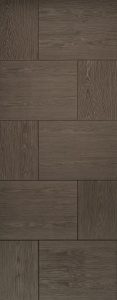
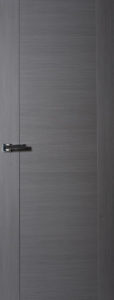
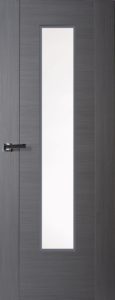
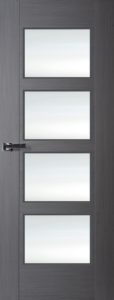
For homes that prefer a softer contemporary style, grey internal doors can work well, but it is worth viewing samples in person to see how the colour changes under different lighting conditions.

Ignoring the Door Style and Room Function
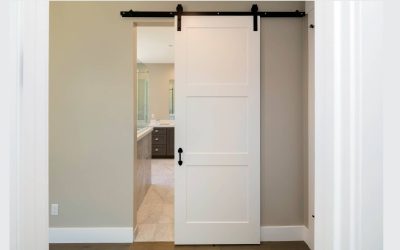
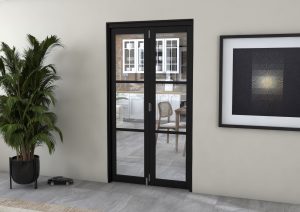
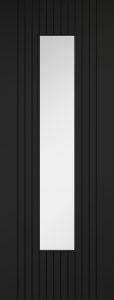
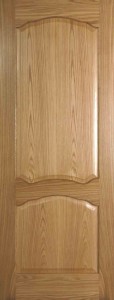
Style matters just as much as colour. A highly detailed traditional door may feel out of place in a modern open plan space, while an ultra minimal flush door might look stark in a period property.
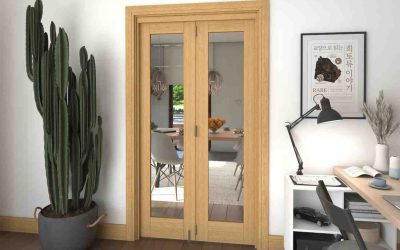
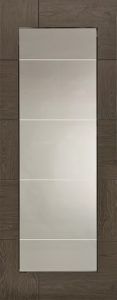
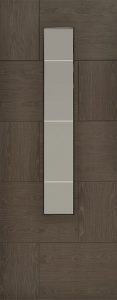
Room function is also important. Bedrooms and bathrooms benefit from doors that provide better sound insulation and privacy. Living areas may suit glazed or partially glazed designs that allow light to flow between spaces.
Failing to match door style to room use can result in doors that feel impractical or visually disconnected from the rest of the home.
Choosing the Wrong Construction
Internal doors are available in different constructions, including hollow core and solid core options. Choosing purely on price without understanding the difference is another common pitfall.
Hollow core doors are lighter and often more affordable, but they offer less sound insulation and can feel less substantial. Solid core doors provide better durability and acoustic performance, making them a popular choice for busy households.
Understanding how each room is used helps determine where investing in higher quality construction makes sense.
Forgetting About Fire Safety
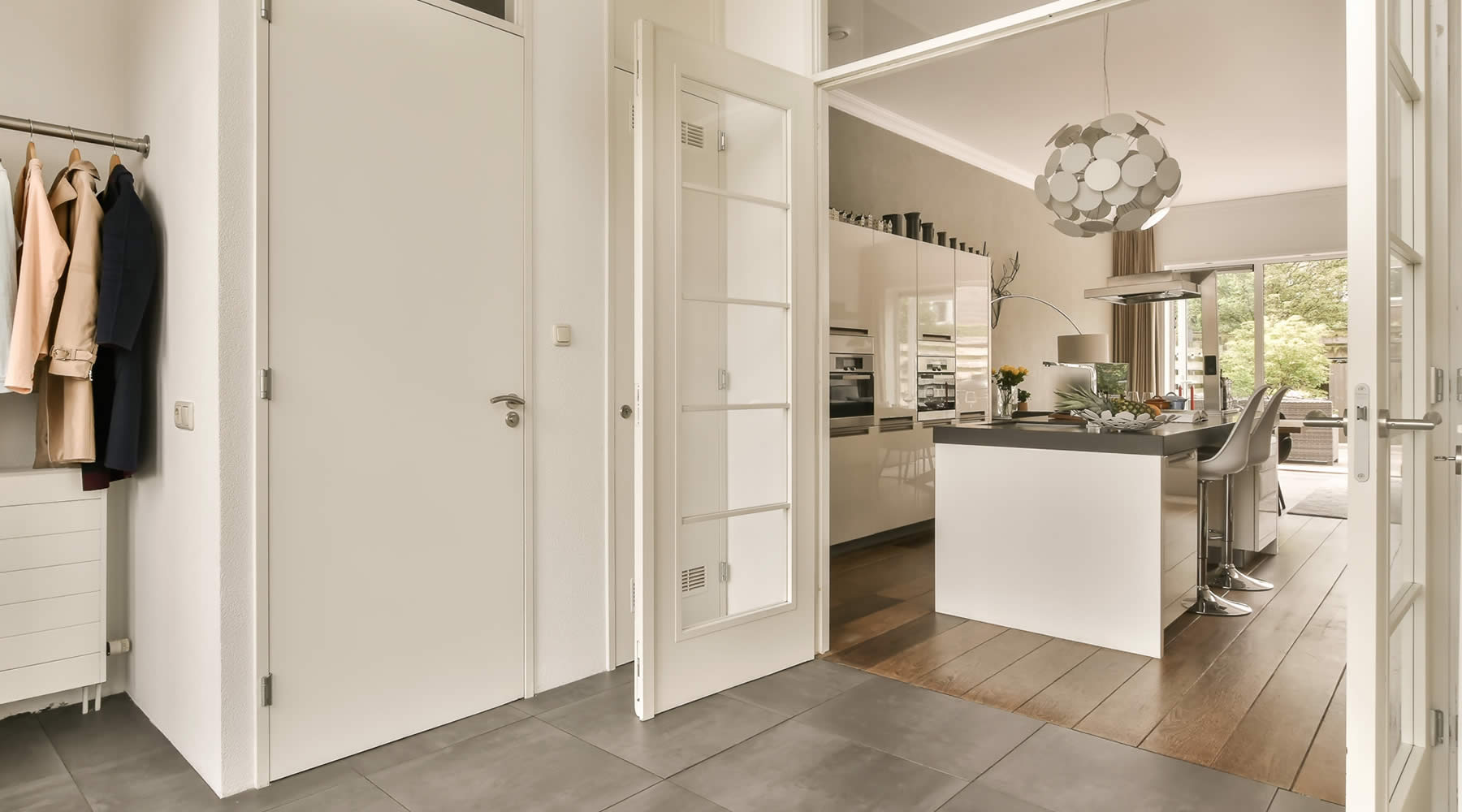
Fire doors are sometimes overlooked during renovations, especially when replacing internal doors in hallways, kitchens or between integral garages and living spaces.
Using a standard internal door where a fire rated door is required can compromise safety and may not meet building regulations. Fire doors are designed to slow the spread of fire and smoke, buying valuable time in an emergency.
Finewood Doors offers a selection of fire rated internal doors that combine safety with attractive design, helping homeowners meet requirements without sacrificing appearance.
Installation Oversights
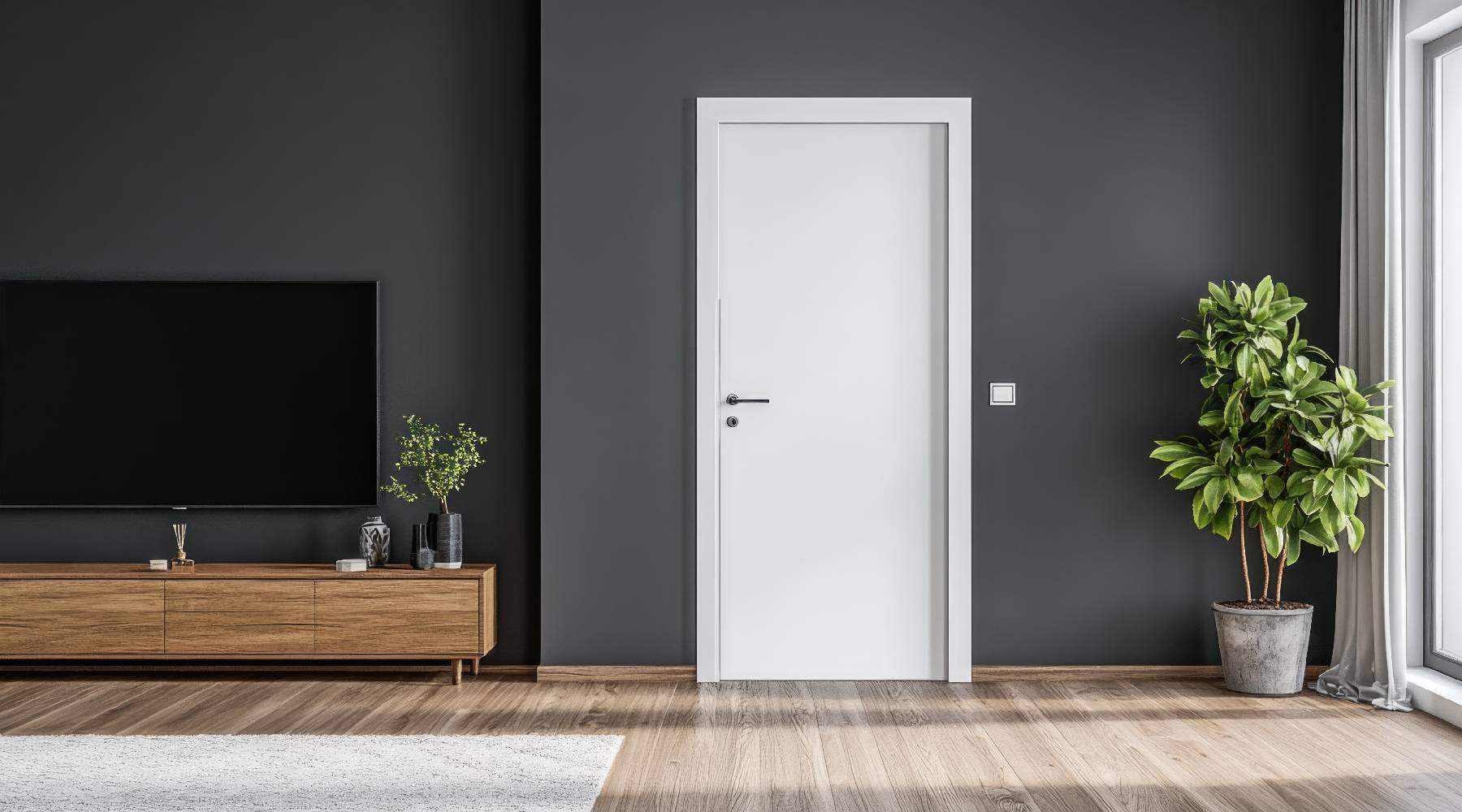
Even the best door can perform poorly if installed incorrectly. Common installation mistakes include poorly aligned hinges, incorrect handle positioning and uneven gaps around the frame.
Rushing installation or attempting to fit multiple doors without the right tools often leads to sticking doors, squeaks and long term wear issues. Painted doors are particularly vulnerable to damage during fitting if care is not taken.
Professional installation or careful planning makes a significant difference to the finished result. Ensuring frames are square, hinges are properly mortised and handles are positioned consistently across doors creates a cleaner and more professional look.
Not Thinking About Hardware Early
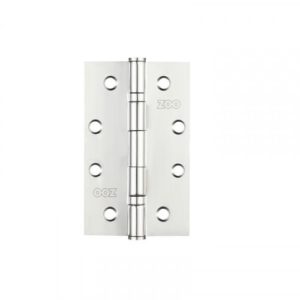
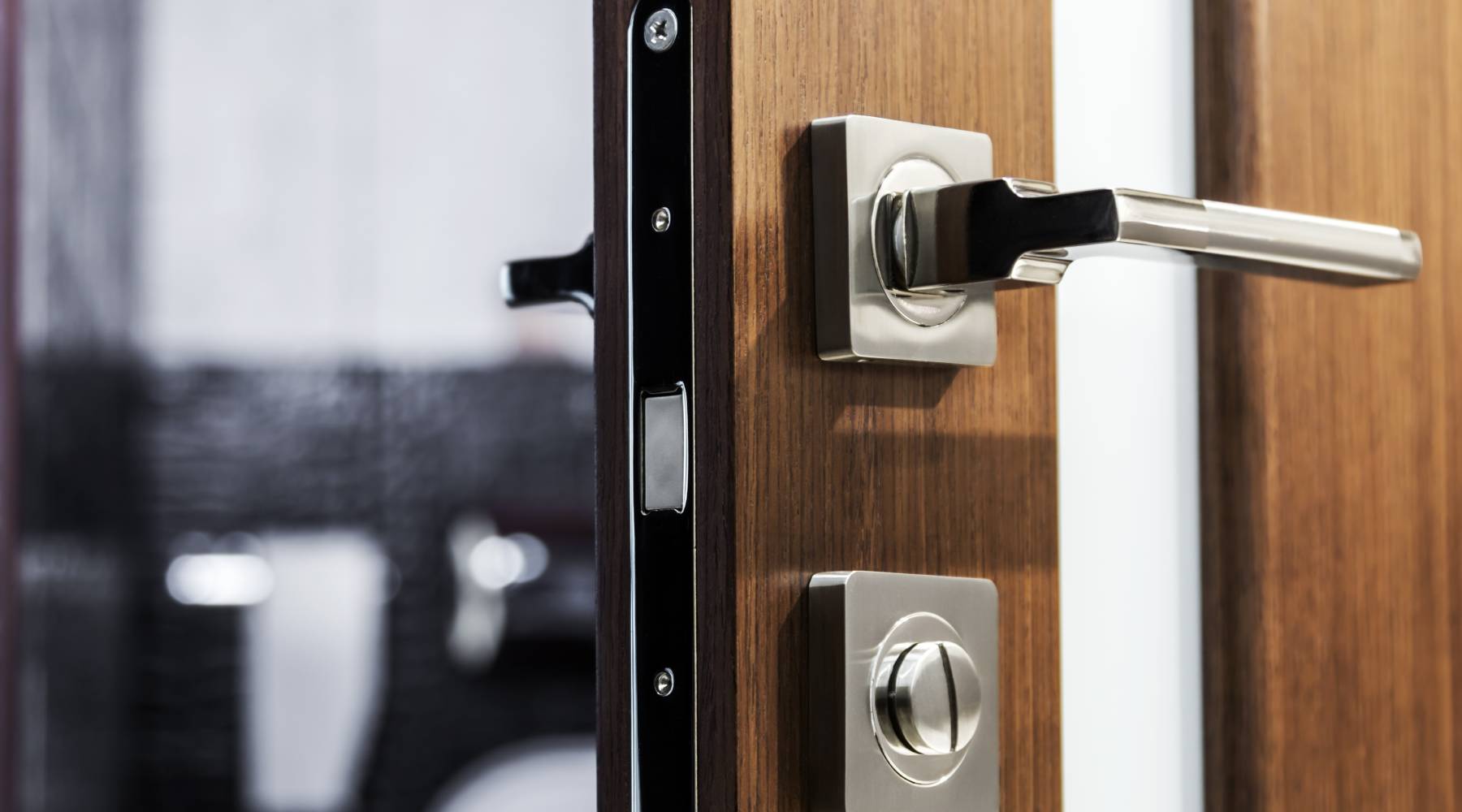
Handles, hinges and latches are often chosen at the last minute, yet they have a big impact on both function and appearance. Mismatched finishes or incorrect latch sizes can disrupt the look of an otherwise well chosen door.
Selecting hardware at the same time as the door helps ensure compatibility and visual consistency throughout the home.
Buying Without Seeing the Doors in Person
Online images are useful, but they do not always show true colour, texture or weight. Buying internal doors without seeing them in person can lead to disappointment when the doors arrive.
Visiting a showroom allows you to compare styles side by side, feel the construction quality and see how finishes look under real lighting. Finewood Doors showroom in Falkirk offers one of the largest internal door displays in Scotland, helping homeowners make confident choices.
Avoiding these common mistakes makes the process of buying internal doors far smoother and ensures the finished result looks right, functions properly and stands the test of time.