Matching every single door is not a rule
It is one of those questions that often appears halfway through a renovation, do all the internal doors in the house actually need to be the same?
The short answer is no.
There is certainly nothing wrong with choosing one door style and using it throughout your home. It creates continuity, makes decisions easier and can give hallways and landings a wonderfully coordinated appearance.
But matching every single door is not a rule.
With a little planning, different colours, finishes and even solid and glazed versions can work together beautifully.
Why matching internal doors works
Using the same internal door throughout your home is the simplest way to create a consistent interior.
It works particularly well in hallways, where several doors may be visible at once. Choosing the same finish, panel design and hardware creates repetition, helping the space feel deliberate rather than busy.
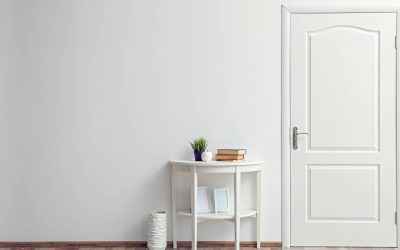
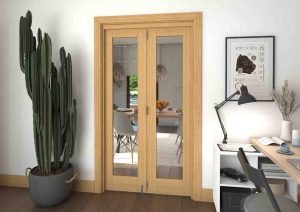
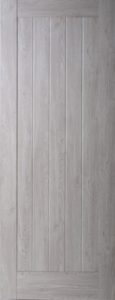
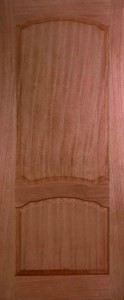
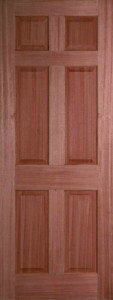
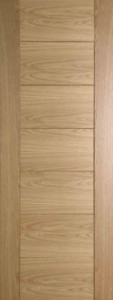
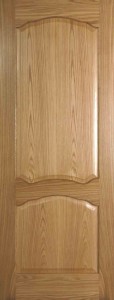
A classic design such as the Finewood Internal Oak Mexicano Door is particularly easy to carry throughout a home.
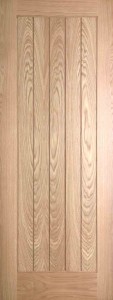
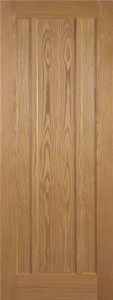
Finewood’s wider range of oak internal doors also includes solid, glazed and fire door options, making it easier to maintain a broadly consistent look while meeting the different needs of individual rooms.
But your doors do not all have to be identical
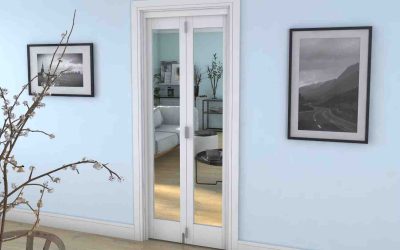
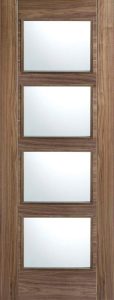
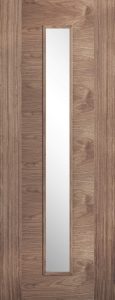
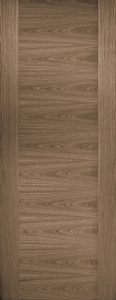
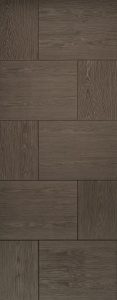
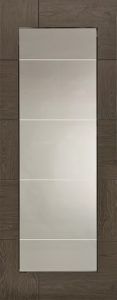
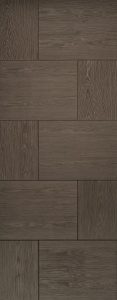
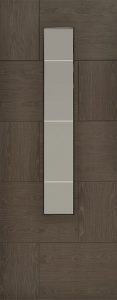
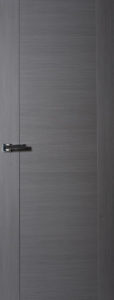
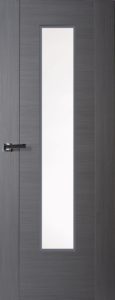
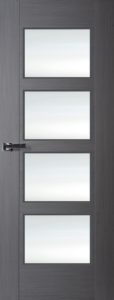
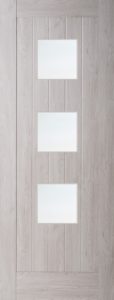
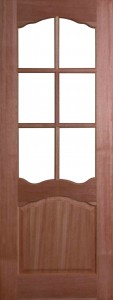
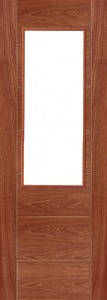
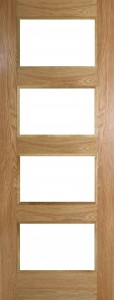
The trick to mixing internal doors successfully is to give them something in common. That could be colour, panel design, timber finish, glazing style or simply matching handles and hardware. For example, you might choose solid doors for bedrooms where privacy is important and glazed versions for a kitchen, dining room or living space where you want to share more light.
The doors perform different jobs, but if their basic design and finish are related, they can still feel like part of the same family.
Can you mix oak and white internal doors?
Absolutely, in fact, combining different door finishes can be a useful way of giving different areas of a property their own personality.
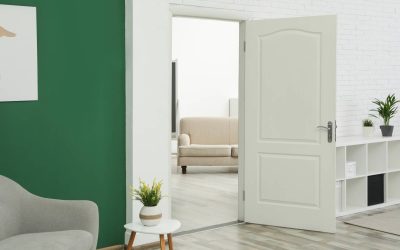
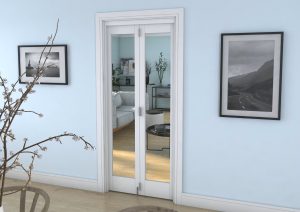
Warm oak internal doors can work beautifully in main living spaces, while white internal doors can keep bedrooms, upstairs hallways or smaller areas feeling fresh and understated.
One useful approach is to change finishes at a natural transition point rather than randomly from doorway to doorway.
For example, you might choose oak throughout the ground floor and white upstairs. There is an obvious logic to the change, so the result still feels considered.
Use black doors as a feature
Another option is to deliberately choose a contrasting door for a particular area.
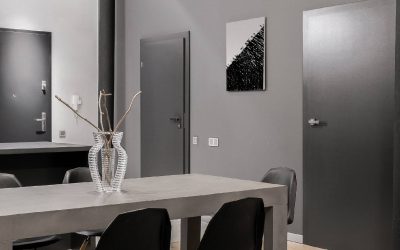
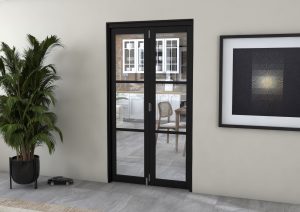
Black internal doors are ideal for this. Instead of trying to blend into the background, a black door can become an architectural feature.
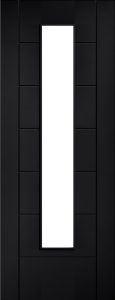
The Finewood Internal Black Athena Door Prefinished is a good example of how the door itself can become part of the interior design.
A black door could be used to define a contemporary kitchen or living area while oak or white doors are used elsewhere.
Rather than looking mismatched, the difference becomes intentional.
Mix solid and glazed doors
Your home does not have the same requirements in every room, so it makes sense that your doors do not always need to be identical either.
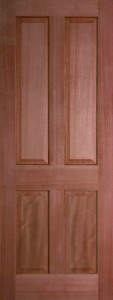
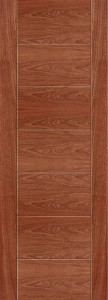
Bedrooms and bathrooms generally benefit from privacy, making solid doors a natural choice.
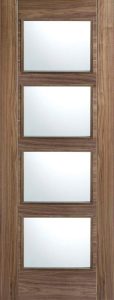
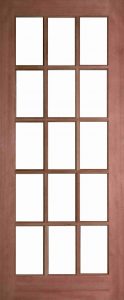
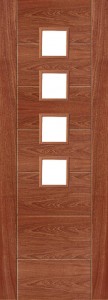
Kitchens, dining areas and living spaces can often benefit from glazing, allowing daylight and sightlines to pass between spaces while retaining the physical division provided by a door.
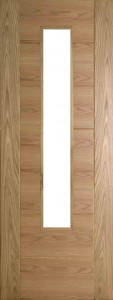
This is where choosing related door designs becomes useful. A solid design can be used in one part of the house and a complementary glazed version elsewhere.
Finewood stocks solid and glazed options across many of its internal door ranges, giving you much more flexibility than choosing one identical door for every opening.
Keep the door handles consistent
One of the easiest ways to tie different internal doors together is through the hardware. Matching handles create a small visual detail that repeats throughout the house even when the doors themselves change.
For example, the same black handle could work against oak, white and grey doors, creating a common thread between different rooms.
Finewood has a wide range of door handles, hinges and locks that can help bring the overall scheme together.
What about fire doors?
This is one area where appearance cannot be the only consideration.
If a particular opening requires a fire door, you need to select an appropriate door and compatible components for that location rather than simply fitting a standard door because it matches the rest of the house.
The good news is that fire doors no longer have to look completely different from your other internal doors. Finewood carries fire door variants across a number of designs. For example, the black Athena is available as both a standard prefinished Athena door and an Athena FD30 fire door.
That makes it possible to keep a coordinated appearance while choosing an appropriate door specification where required.
So, should all your internal doors match?
They can, but they certainly do not have to. A single matching door style is a safe and timeless option, particularly if you want a very calm and consistent interior.
Mixing doors can be equally effective when there is a reason behind it. Choose a common colour palette. Repeat the same handle finish. Use related solid and glazed designs. Introduce a different finish at a logical point in the property.
The goal is not to make every door identical. It is to make every choice feel intentional.
With oak, white, black, grey, hardwood and many more styles available, the Finewood range gives you plenty of scope to create a combination that works throughout your home.
Browse the complete range of internal doors at Finewood Doors online, or visit the Falkirk showroom and compare your favourite combinations in person.