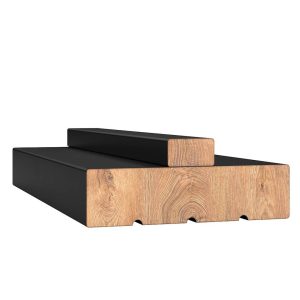
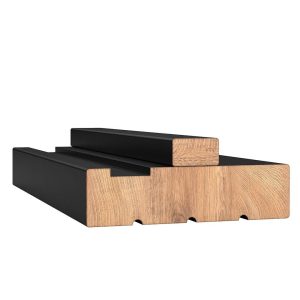
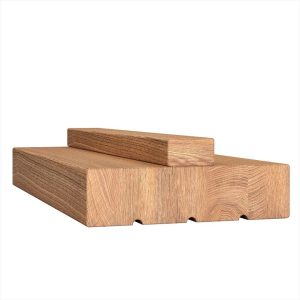
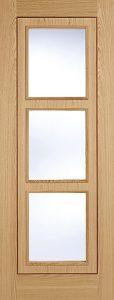
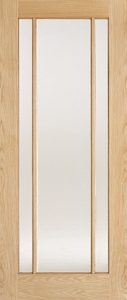
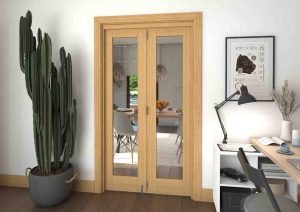
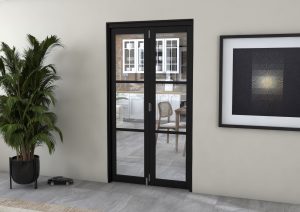
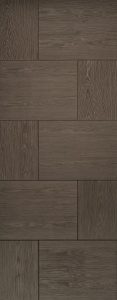
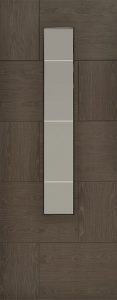
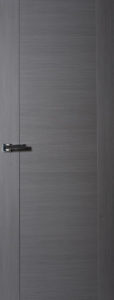
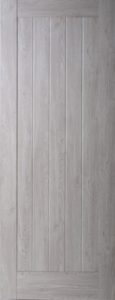
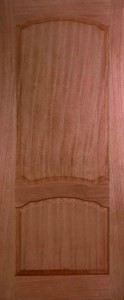
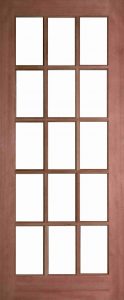
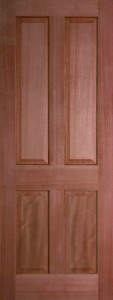
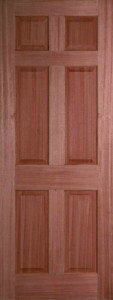
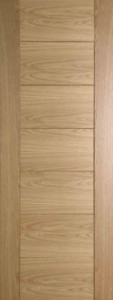
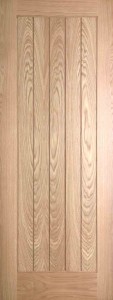
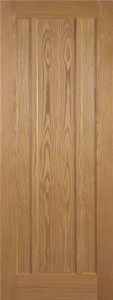
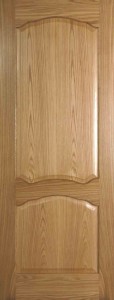
Wooden mouldings – a classic design feature that has truly stood the test of time. Since the classical civilisations of the ancient Greeks, mouldings have been carved into stone to adorn temples, creating harmony and symmetry to appease the gods. Since then, mouldings have become a staple in homes and commercial buildings throughout the centuries, from The Middle Ages to the modern era. Below, we explore a brief history of wooden mouldings.
The Middle Ages and Renaissance
The illustrious homes of the nobility had to be a decorative display of their wealth to substantiate their importance to others. This is why the palaces of Kings, Queens and the wealthy had stunning mouldings with carved figurines, floral motifs and allegiances to the crown. What’s more, during the Renaissance, there was a revival and rediscovery of classical texts, leading to the popularisation of mouldings in homes and important buildings as they were perceived as ‘high art’.
The 17th and 18th Centuries
During the 17th and 18th centuries, the fervour for classical texts, thinking and design only increased, leading to the ‘neoclassical’ design movement. This meant that wooden and stone mouldings were a common sight amongst post-revolution and Georgian townhouses. Mouldings established harmony and symmetry within interiors, perfectly framing the space and being the ideal complement to ornate baroque and 18th-century furniture.
19th and 20th Century
The 19th century didn’t see much of a change in the use of wooden mouldings as the neoclassical movement merged with gothic revival, another artistic movement that took inspiration from the heavily embellished churches of the medieval period. This led to homes and public buildings that looked like they belonged in the pages of fairytale and fantasy books with twisting spires, ornate ironwork, and turrets. Mouldings were still regarded as an interior element of prestige so were heavily included. However, after the Edwardian period in the early 20th century, mouldings began to fall out of favour. The rise of modernist art movements that stressed simplicity over complexity, meant that mouldings quickly became ‘out-modish’. What’s more, both the First and Second World Wars, meant that materials could not be used in excess in homes.
21st Century
Despite this, during the 21st century, mouldings quickly became popular again as individual design and preference began to take centre stage. For many, period features became more and more attractive as they were a relic from a bygone era, so they were starting to be incorporated into homes of all styles. What’s more, the rise of mass production meant that a large range of moulding styles could be created, from simplistic indentations to more illustrious pieces.
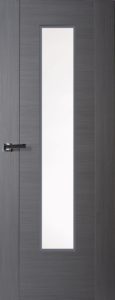
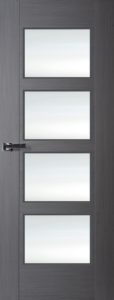
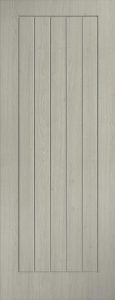
Here at Finewood, we stock a stunning array of doors and wooden mouldings to add to your home. Our pieces can transport your home to the past or bring it into the future, depending upon your style preference and needs. To find out more about us as a company, or to see our range of products, simply contact us today.