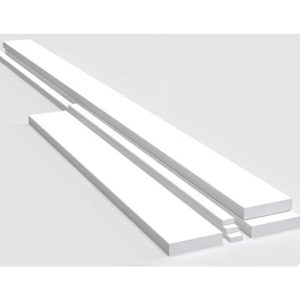
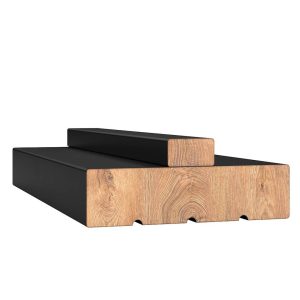
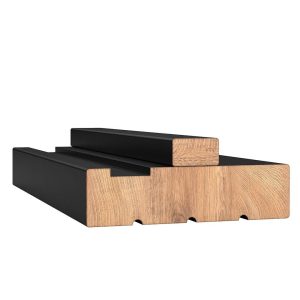
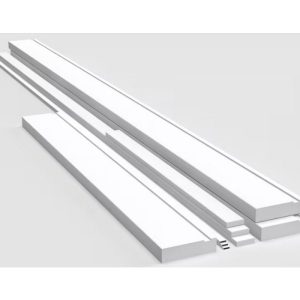
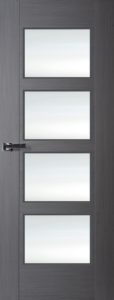
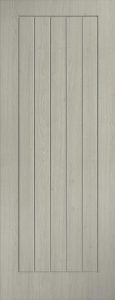
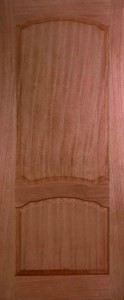
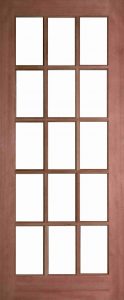
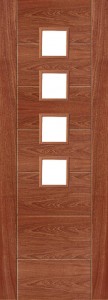
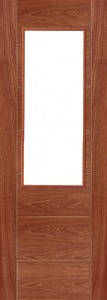
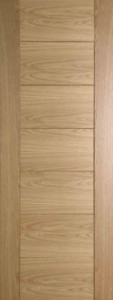
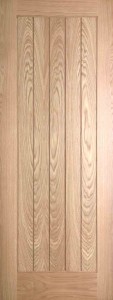
Internal white doors have a habit of being overlooked. They are often described as safe or simple or just something that blends in. In reality they are one of the most powerful design tools in a home when chosen well. The right white door does not shout for attention. Instead it brings calm, balance and a sense of space that quietly lifts every room it touches.
At Finewood Doors we see this every day. Customers arrive thinking they want a white door because it feels neutral. They leave understanding that the right white door can completely change how their home feels to live in.
Why white doors never go out of style
Trends come and go but white doors remain because they work with almost everything. They reflect light rather than absorb it which makes rooms feel brighter and more open. In smaller homes or darker hallways this can make a noticeable difference without changing the structure of the space.
White doors also give your interior room to breathe. They allow furniture artwork flooring and soft furnishings to stand out without competing for attention. This is why white doors are found in period homes modern new builds and everything in between.
Not all white doors are the same
One of the biggest misconceptions is that white is just white. In reality there are subtle but important differences that affect the final look.
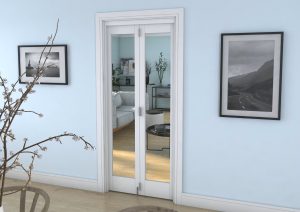
Smooth white doors create a clean contemporary feel and suit modern interiors with simple lines. Grained white doors add warmth and texture which works beautifully in traditional or transitional homes. Painted white doors often have more depth and character especially when paired with classic detailing.
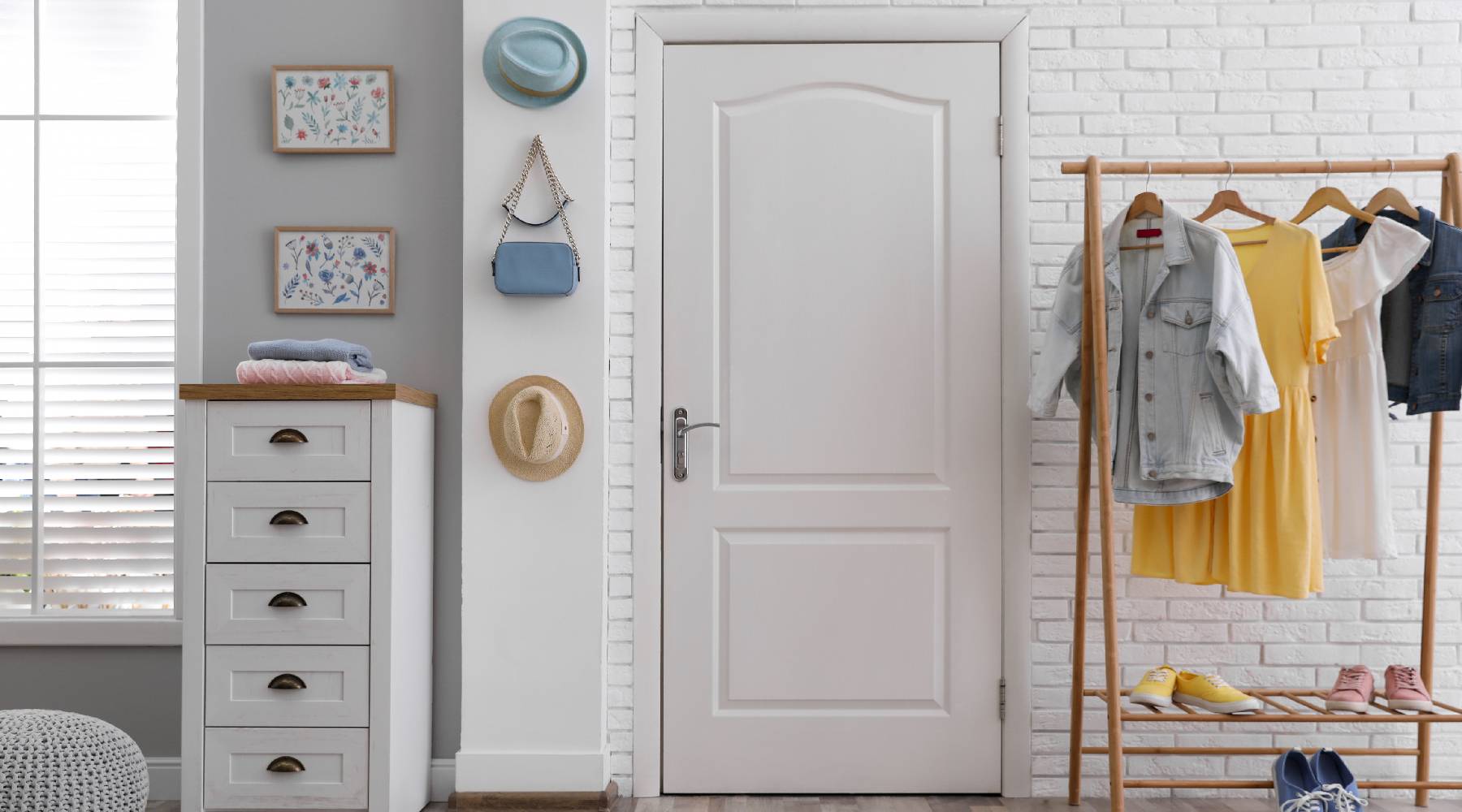
Choosing the right white door style for your home
The style of your white door plays a huge role in the mood of a room.
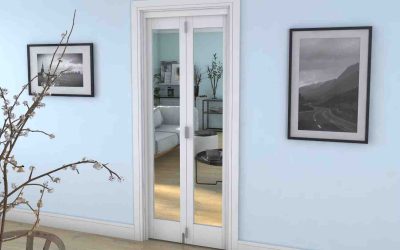
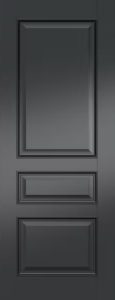
Shaker style white doors offer balance and versatility. They feel timeless without being plain and suit family homes particularly well. Flush white doors create a seamless look that works perfectly in contemporary spaces and apartments. Panelled white doors bring elegance and structure and are ideal for traditional properties or homes with period features.
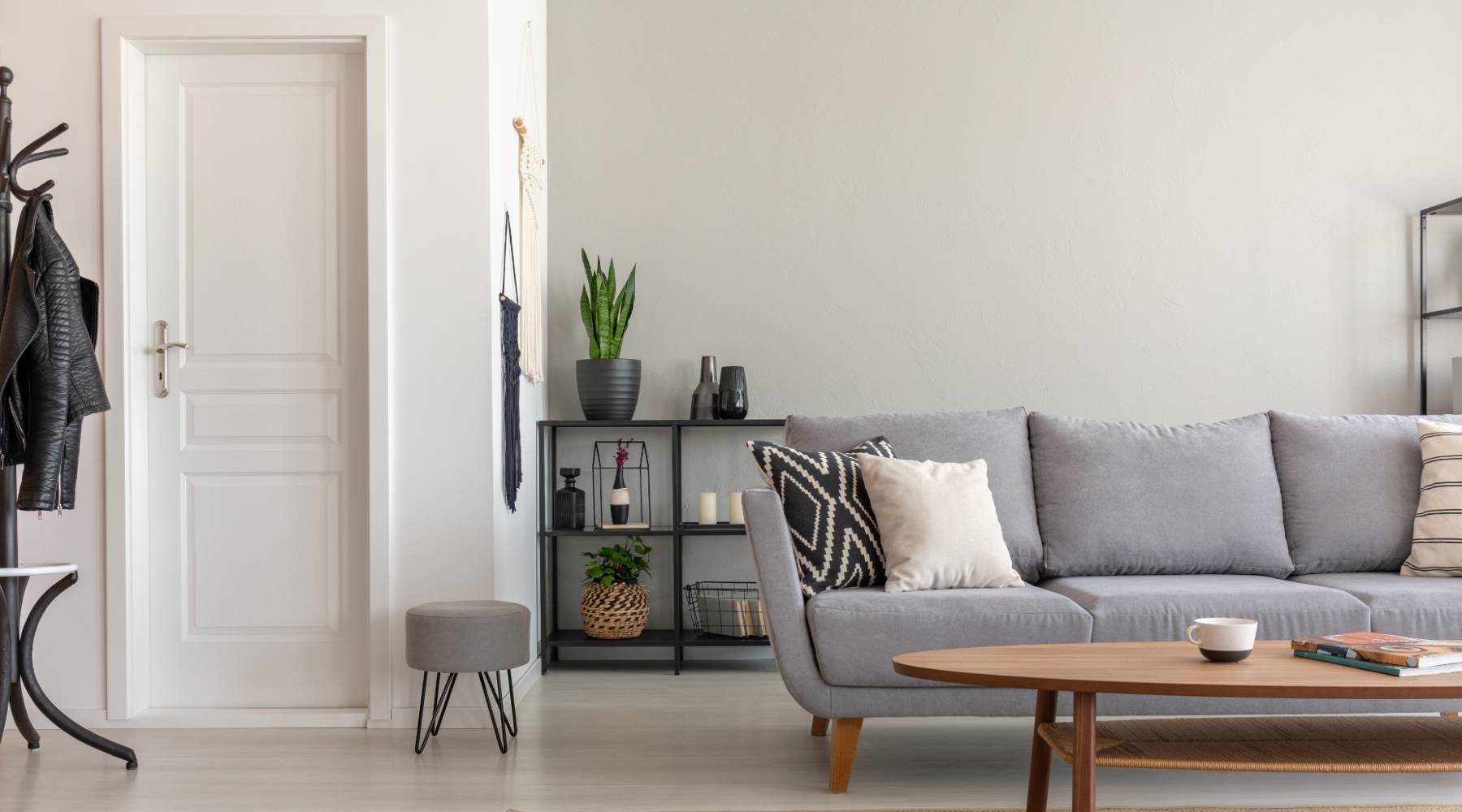
How white doors influence light and space
Light moves around a home in ways we often do not notice. White doors help guide that light through corridors rooms and staircases. They soften shadows and reduce visual breaks which makes spaces feel larger and calmer.
This is particularly noticeable in hallways and landings where darker doors can close a space in. White doors help these transitional areas feel intentional rather than forgotten.
Pairing white doors with floors walls and ironmongery
White doors are incredibly adaptable but the surrounding details matter.
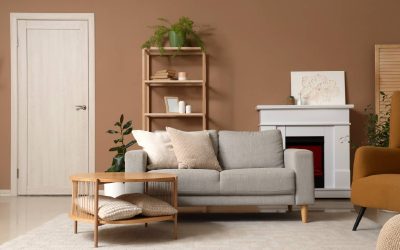
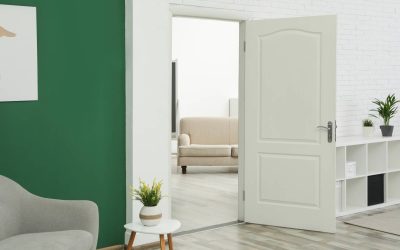
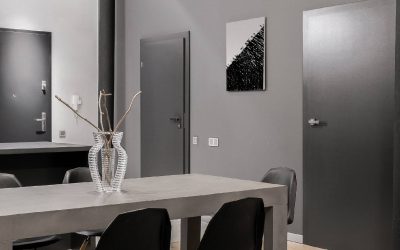
With natural wood flooring white doors create contrast and warmth. With grey or stone floors they feel modern and balanced. Against bold wall colours white doors act as a frame rather than a distraction.
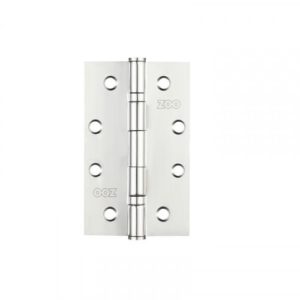
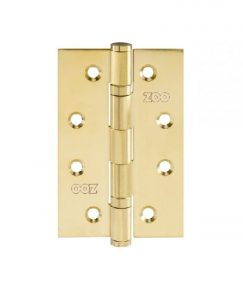
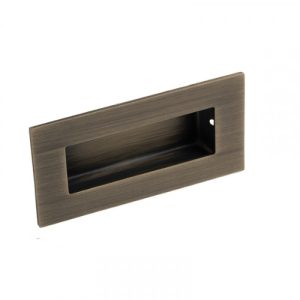
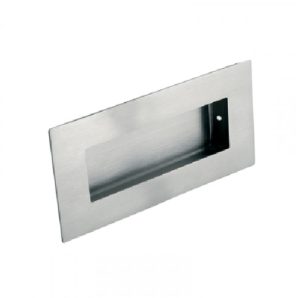
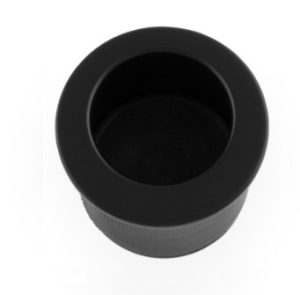
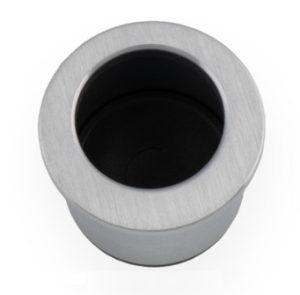
Ironmongery adds personality. Black handles create a striking modern look. Chrome and brushed steel feel clean and understated. Brass and gold tones bring warmth and a touch of luxury. These small details are often what turn a simple door into a design feature.
Why quality matters with white doors
A poor quality white door shows wear quickly. Chips marks and yellowing can spoil the look of an otherwise beautiful interior. A well made white door keeps its finish holds its shape and feels solid every time it is used.
At Finewood Doors we focus on doors that are made to last. The weight the finish and the construction all matter. These are details you feel every day even if you cannot always put them into words.
Choosing white doors with confidence
White internal doors are not a compromise choice. When chosen with care they are a confident design decision that brings quiet luxury into everyday life. The key is understanding the differences in style finish and quality and choosing a door that suits how you live as well as how your home looks.
This is where expert advice and seeing doors in person makes all the difference. White does not have to be boring. With the right choice it can be the most powerful design decision you make.